Thinking about buying a home in Buck Lake but not sure where to start? You are not alone. This east-side Tallahassee area blends suburban comfort with access to parks, ponds, and retail, which makes it popular with first-time and move-up buyers. In this guide, you will get a clear picture of prices, commute times, home types, inspections, utilities, and how to write a strong offer in today’s market. Let’s dive in.
Buck Lake market snapshot
As of February 2026, recent sales data shows Buck Lake as a somewhat competitive submarket. The median sale price sits around $387,000, homes average roughly 70 days on market, and the sale-to-list ratio is near 99%. Some well-priced homes still receive multiple offers.
For a broader value check, the typical home value in the Buck Lake area tracked through December 2025 is in the low to mid $300,000s, with a local index around $372,000. Use this index as a smoothed trend line, and the recent sales snapshot for what buyers are paying right now. Together, they help you set realistic expectations.
What this means for you
- Bring a full pre-approval before touring. Sellers respond to prepared buyers.
- Expect clean, well-presented listings to move faster than average.
- Consider tighter timelines for inspections and closing if you want to compete on a popular home.
- Keep contingencies sensible. Many buyers keep inspection and WDO protections but shorten response windows.
Location and daily living
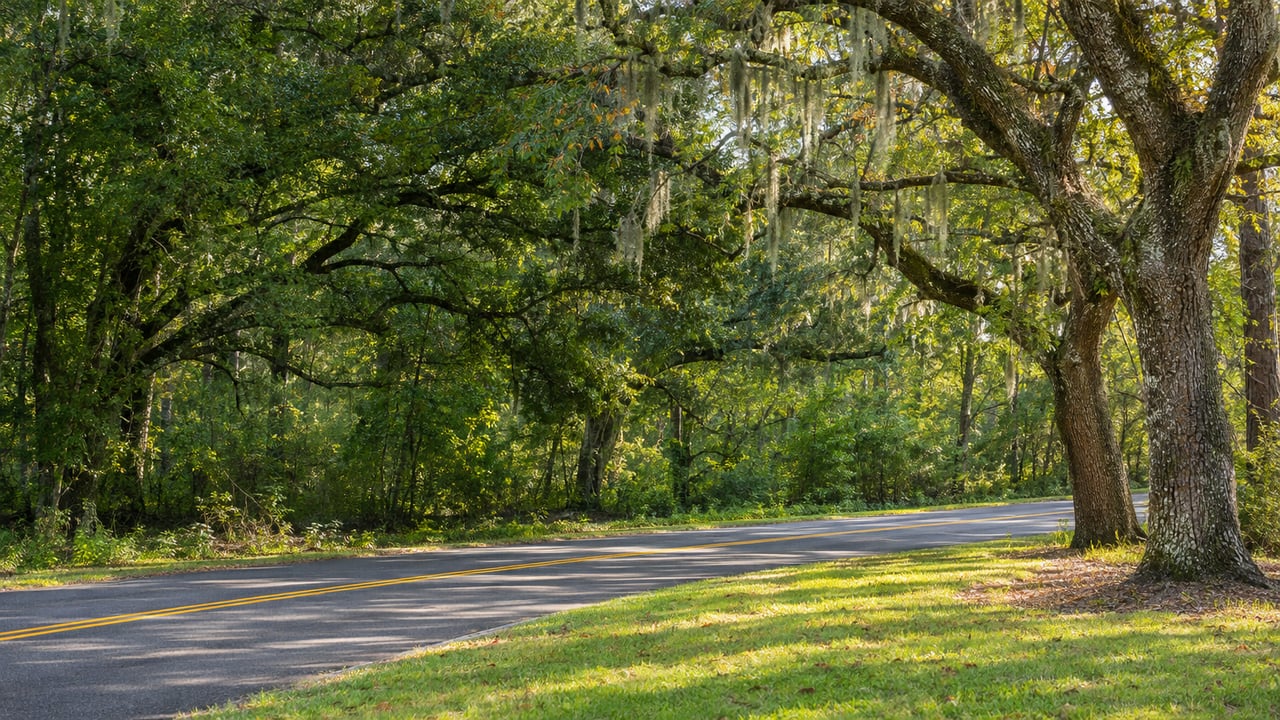
Buck Lake sits on Tallahassee’s east side near the Buck Lake Road, Pedrick Road, and Capital Circle NE corridors. You will find established neighborhoods alongside newer subdivisions, many with access to green space, small lakes, and ponds. Major retail like Publix, Costco, and Bass Pro is close by for easy errands.
Commute overview
- Driving: From parts of Buck Lake to Florida State University is roughly 8 miles, often a 10 to 25 minute drive depending on time of day and route. Always check your specific address and commute window using your map app.
- Transit and walkability: The area is generally car dependent. Transit coverage is limited and walkability scores are often low to moderate. If you rely on public transportation, verify routes and schedules for the exact address.
Homes and lots you will see
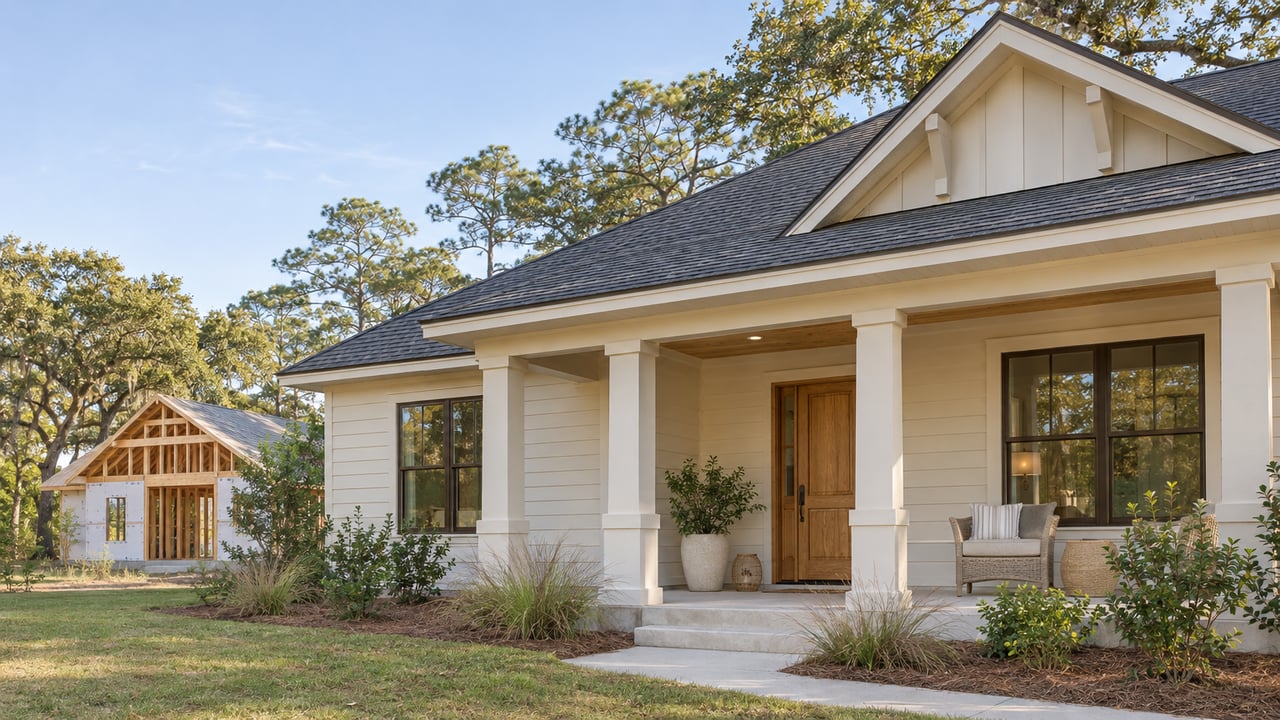
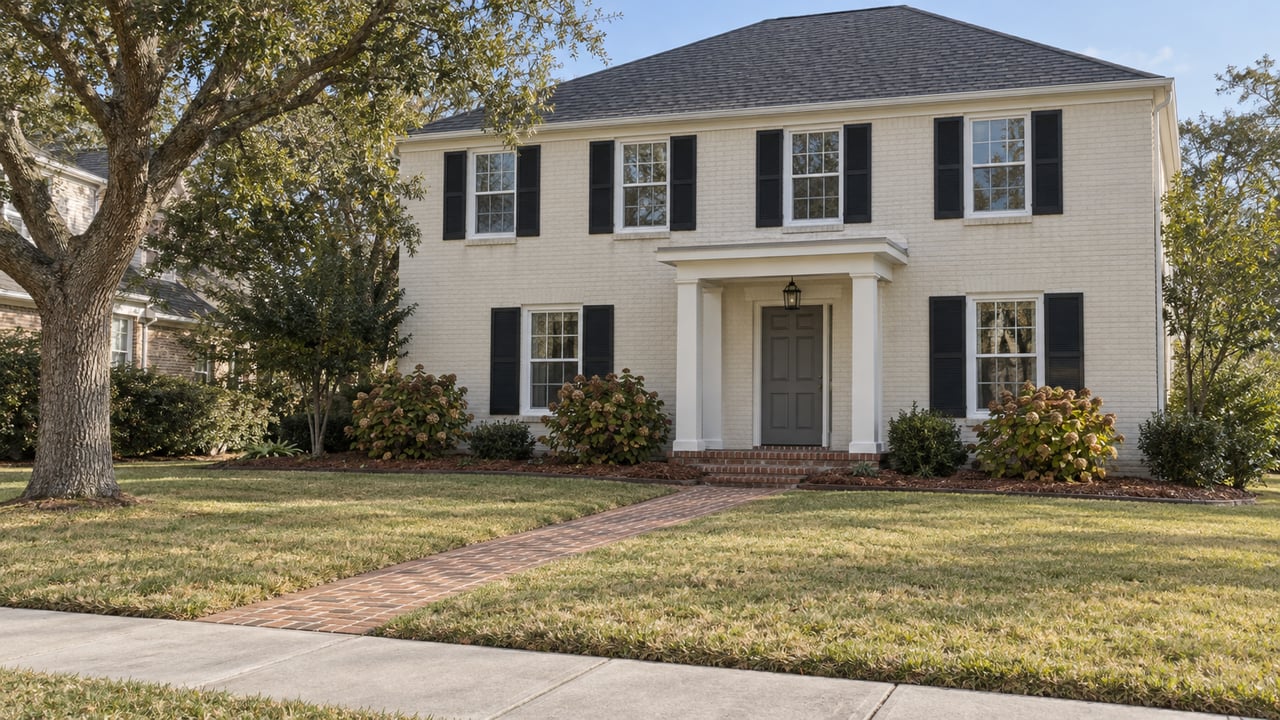
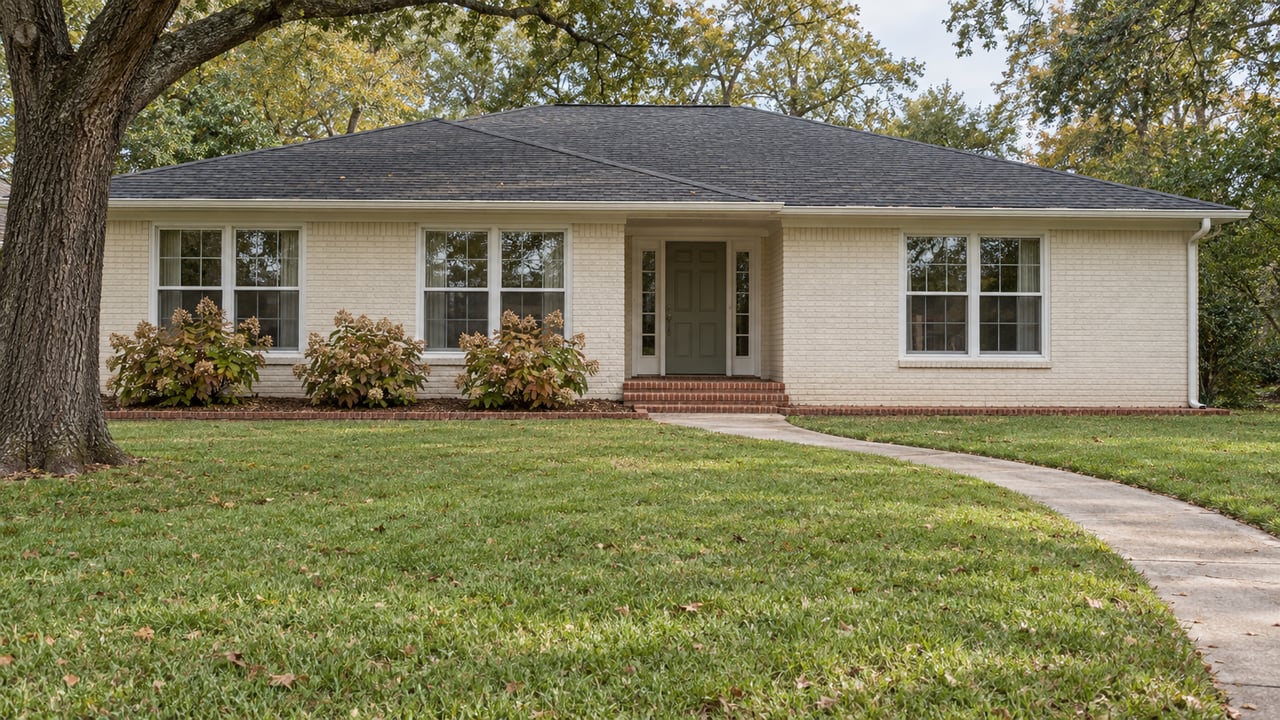
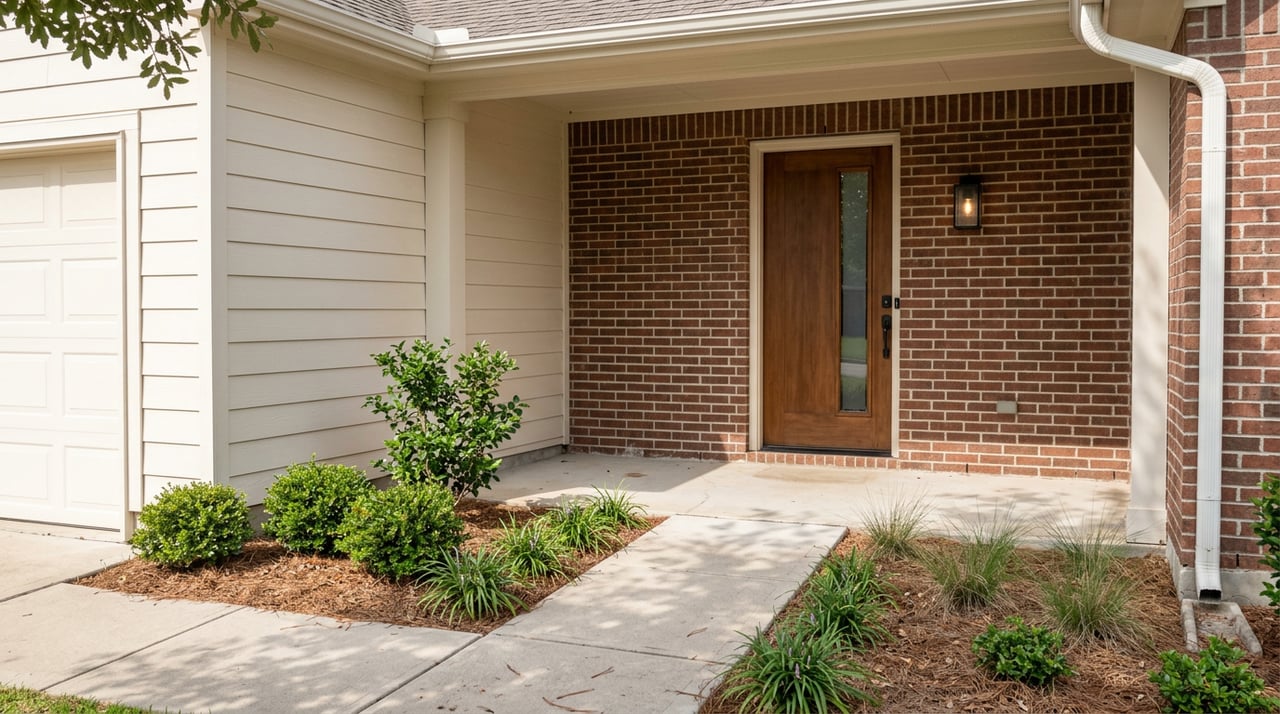
Buck Lake offers a wide range of housing stock. You will see updated brick ranches, one-story ranch plans, suburban craftsman styles, and newer modern-craftsman homes. There are also pockets of new construction built after 2015.
- Bedrooms and sizes: Options range from modest starter homes to 3 and 4 bedroom move-up plans.
- Lot sizes: Many subdivision lots run about 0.10 to 0.30 acre. Some peripheral areas offer larger parcels, including multi-acre properties, if you want more space.
- HOAs: Many subdivisions are owner-occupied with varying HOA structures. Some communities have small monthly dues. Others are informal or have no HOA at all. Always confirm HOA fees, rules, and financials with current documents before you write an offer.
Micro-neighborhoods you may hear about include Observation Pointe, Meadow Ridge at Buck Lake, and Fletcher Oaks. Each has its own lot sizes, amenities, and HOA setup, so compare details side by side with your agent.
Schools and zoning basics
Buck Lake Elementary serves the neighborhood, and the school site lists contact information and program hours for families planning schedules. Always verify the exact school assignment for a property address directly with Leon County Schools, since zoning and policies can change.
- Elementary: Buck Lake Elementary
- Typical feeder pattern often cited in listings: Buck Lake Elementary to Swift Creek Middle to Lincoln High School. Confirm the current pattern for your target address with the district.
If you want to compare school programs, visit the district and school websites and review third-party information on your own. Keep in mind that independent rating methods vary and may not reflect all priorities that matter to your family.
What inspections to expect in Buck Lake
Buying in Florida means planning for climate and pest realities. Strong due diligence will help you budget and avoid surprises.
Termites and WDO inspections
Florida has a high incidence of termites and other wood-destroying organisms. A formal WDO inspection and report is a common step in local real estate transactions and is often required by lenders. Schedule a licensed WDO inspection as soon as your contract is accepted and be prepared to address treatment or repairs if needed. Learn more from the University of Florida’s guidance on termite prevention and real estate inspections at their UF/IFAS resource.
Moisture and mold
Florida’s humidity can amplify moisture problems if a home has leaks or poor ventilation. Inspectors often call out roof leaks, clogged gutters, attic ventilation issues, and AC condensate drainage. If you encounter mold, follow federal recommendations for cleanup and consider professional remediation when appropriate. See the EPA’s guidance on mold and moisture for best practices.
Roof, HVAC, electrical, and plumbing
Expect inspectors to focus on roof age and condition, drainage and grading, AC performance, and visible electrical safety items like GFCI protection. In Florida, many AC systems require replacement between 10 and 15 years, and older roofs can trigger insurance concerns. A helpful overview of common Florida inspection priorities is available in this Florida home inspection tips guide.
Wind, storm, and flood considerations
Local data suggests a minor flood risk for many Buck Lake parcels, with a more notable exposure to wind and hurricanes. Always check a specific property’s FEMA flood map status, elevation, and any special flood hazard area designations. Insurance requirements and premiums can vary based on these factors. Discuss wind mitigation features, roof age, and secondary water barriers with your inspector and insurance broker.
Utilities: sewer, septic, and water source
Many Buck Lake subdivisions connect to public water and sewer, especially in newer or more centralized neighborhoods. Larger-lot properties on the outskirts may use private wells and septic systems. Confirm the utilities for each address and clarify whether it falls inside the City of Tallahassee service area or in unincorporated Leon County, since that can affect service providers and rates.
How to prepare and compete in today’s market
A blend of preparation and flexibility goes a long way in Buck Lake.
- Get fully pre-approved, not just pre-qualified.
- Review recent comparable sales with your agent to set a max budget for each home you like.
- Keep key contingencies like WDO and general inspections, but consider shorter timelines if the home is in demand.
- Set expectations on roof and AC age. Plan for near-term replacements if systems are already 10 to 15 years old.
- If you love a home, discuss earnest money, closing timeline, and any appraisal-gap strategies with your agent and lender before you write the offer.
A smart touring checklist
Use this quick list at showings to spot potential red flags and value points.
- Exterior and site: Check grading, gutters, and any standing water near the foundation or outbuildings.
- Roof: Look for curling or missing shingles and ask about the roof’s age and permit history.
- Attic and ventilation: Note insulation depth, ventilation pathways, and any staining or signs of leaks.
- HVAC: Look at the unit’s age and the most recent service sticker. Ask about average utility bills.
- WDO clues: Keep an eye out for mud tubes, damaged wood, or fresh paint in localized patches.
- Plumbing and electrical: Test water pressure at multiple fixtures and look for GFCI outlets in kitchens, baths, garages, and outdoors.
- Utilities: Confirm public versus septic and sewer line age, especially on older homes or larger lots.
- HOA and fees: Request the latest documents, budget, and any upcoming assessments.
Offer timeline after you go under contract
When your offer is accepted, move quickly and stay organized.
- Order a licensed WDO inspection right away. Use the UF/IFAS guidance as your reference for why this is essential.
- Book the general home inspection. Add a roof evaluation, HVAC technician visit for older systems, and a sewer scope if the home has older lines or settlement concerns. Add a well or septic specialist if applicable.
- Keep contingencies realistic, but tighten deadlines in competitive settings. Stick with critical protections that keep you informed of condition and risk.
- Coordinate with your lender early on appraisal timelines and any potential appraisal-gap strategy if market comps support it.
Ready to see Buck Lake homes?
If Buck Lake checks your boxes for price, commute, and neighborhood feel, let’s map a plan that matches your timeline and budget. You will get direct access to experienced, local agents who know the micro-markets, how to navigate inspections in Florida, and how to position your offer to win without overreaching. Connect with The Tagoe Team to tour homes, compare neighborhoods, and buy with confidence.
FAQs
What are typical 2026 home prices in Buck Lake?
- Recent data shows a median sale price around $387,000 as of February 2026, while a smoothed value index for December 2025 places typical values near $372,000.
How long do Buck Lake homes take to sell?
- Average time on market sits around 70 days, but well-priced, move-in-ready homes can sell faster and may receive multiple offers.
What is the commute from Buck Lake to FSU and downtown?
- From parts of Buck Lake, FSU is roughly 8 miles, often a 10 to 25 minute drive depending on route and traffic. Always check live travel times for your address.
Do most Buck Lake neighborhoods have HOAs?
- It varies. Many subdivisions have HOAs with modest dues, while others are informal or have no HOA. Review current HOA documents before you write an offer.
What inspections are must-dos for Buck Lake buyers?
- A licensed WDO inspection and a general home inspection are standard. Add roof, HVAC, sewer, well, or septic specialists based on the property’s age, systems, and utilities.
Should I worry about flooding or hurricanes in Buck Lake?
- Many parcels show minor flood risk, but wind and hurricane exposure are meaningful. Check the specific property’s FEMA flood status, roof age, and wind-mitigation features with your inspector and insurer.