Thinking about a move to Summerbrooke in North Tallahassee? If you are comparing commute times, club access, and what homes are really like, you are not alone. Relocating from out of the area can feel complex without local context. In this guide, you will learn how to evaluate your commute, understand nearby club options, set expectations for homes and HOAs, and follow a practical 90‑day move plan to settle in smoothly. Let’s dive in.
Verify location and services first
Before you rely on any neighborhood detail, confirm whether a specific Summerbrooke address sits inside the City of Tallahassee or in unincorporated Leon County. Jurisdiction affects utilities, taxes, permitting, school boundaries, and trash schedules. The fastest way to verify is to use the Leon County Property Appraiser or GIS, the City of Tallahassee property maps, and the legal description on the listing or deed.
Once jurisdiction is confirmed, identify who handles water, sewer, electricity, gas if applicable, and trash or yard‑waste pickup. This helps you plan start dates for services, estimate monthly costs, and avoid surprises during move‑in week.
Commute basics from North Tallahassee
Most buyers considering Summerbrooke need access to major employers and campuses. Primary destinations include downtown Tallahassee, Florida State University and Florida A&M University, Tallahassee Memorial Hospital and Cancer Center, and state offices along Thomasville Road, Monroe Street, and near key I‑10 exits.
Expect typical weekday peaks between about 7:00–9:00 AM and 4:00–6:30 PM. Congestion often concentrates along Thomasville Road, Monroe and West Tennessee, and Capital Circle, plus at major intersections. North Tallahassee is largely suburban, so a personal vehicle is usually the most practical way to commute and run errands. StarMetro operates fixed bus routes and campus shuttles, though frequency and stop locations vary by route and time of day.
If you plan to work hybrid or fully remote, verify broadband options and speeds available by address. Spectrum, AT&T, and other local ISPs serve different pockets, and speeds can vary within the same neighborhood.
Practical steps to test your commute
- Do two live test drives during peak hours, both directions, for at least two different routes.
- Use navigation apps to compare travel times across several days and note recurring slowdowns.
- Review state and local traffic studies to understand long‑term patterns and planned road projects.
- If you will park downtown or at FSU, check permit rules and costs in advance.
Clubs, golf, and recreation
If club amenities are a priority, you will find a mix of private clubs, semi‑private courses, and city recreation options in North Tallahassee. Amenities often include 18‑hole golf, tennis or pickleball, fitness facilities, pools, pro shops, and dining rooms with social calendars.
Examples of local clubs to research for a Summerbrooke address include Killearn Country Club, Golden Eagle Country Club, and SouthWood. Confirm exact distance, current membership tiers, and access policies for your specific address. Ask clubs for initiation fees, monthly or annual dues, food and beverage minimums, guest and cart fees, lessons, and tournament schedules. Many clubs maintain active social calendars, so it helps to review sample event schedules and dress codes, and to ask about trial or social‑only memberships if you do not golf.
Non‑club recreation also plays a big role in everyday life. Explore nearby public parks, walking trails, community pools, and athletic fields. City Parks and Recreation maps can help you pinpoint green space, trailheads, and league options close to your new home.
Homes in and around Summerbrooke
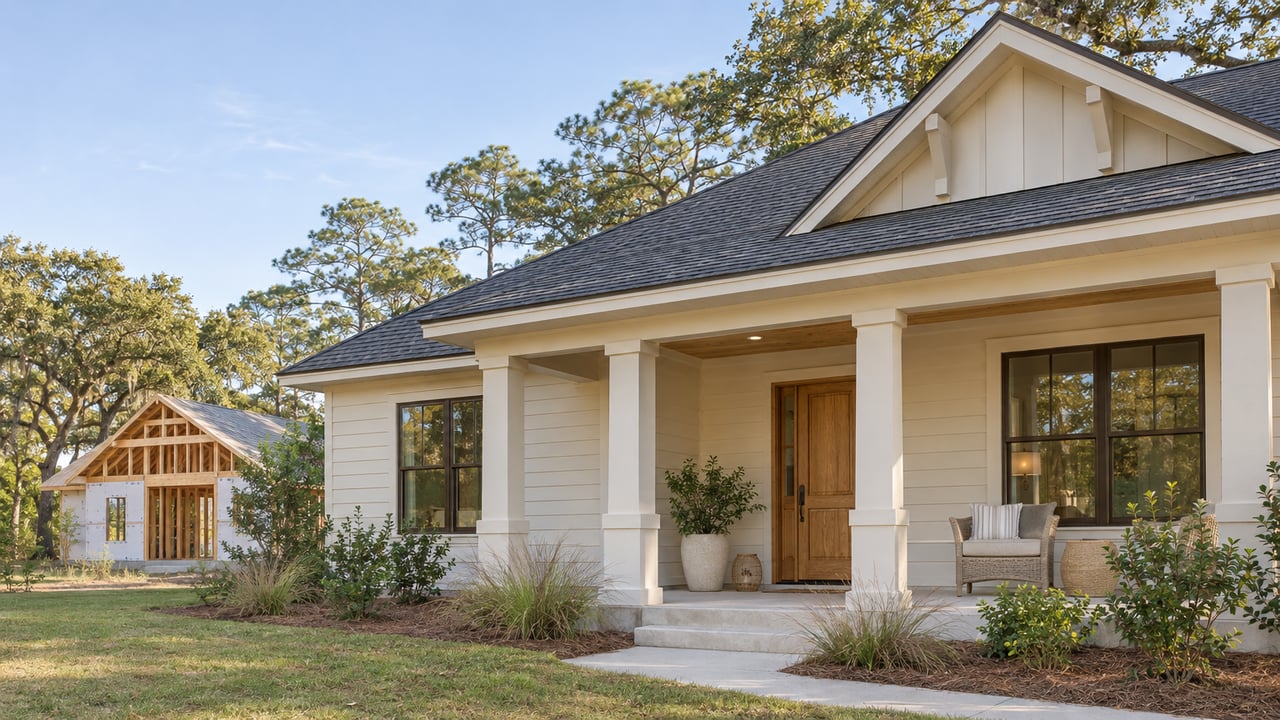
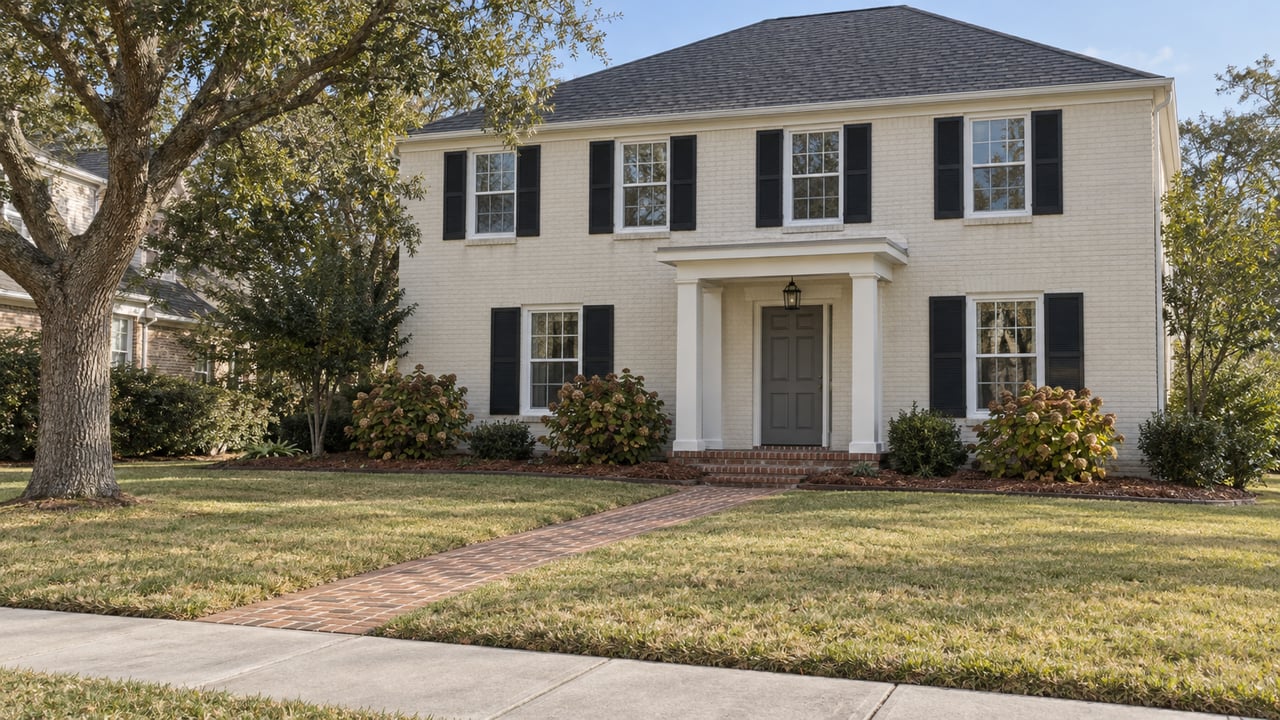
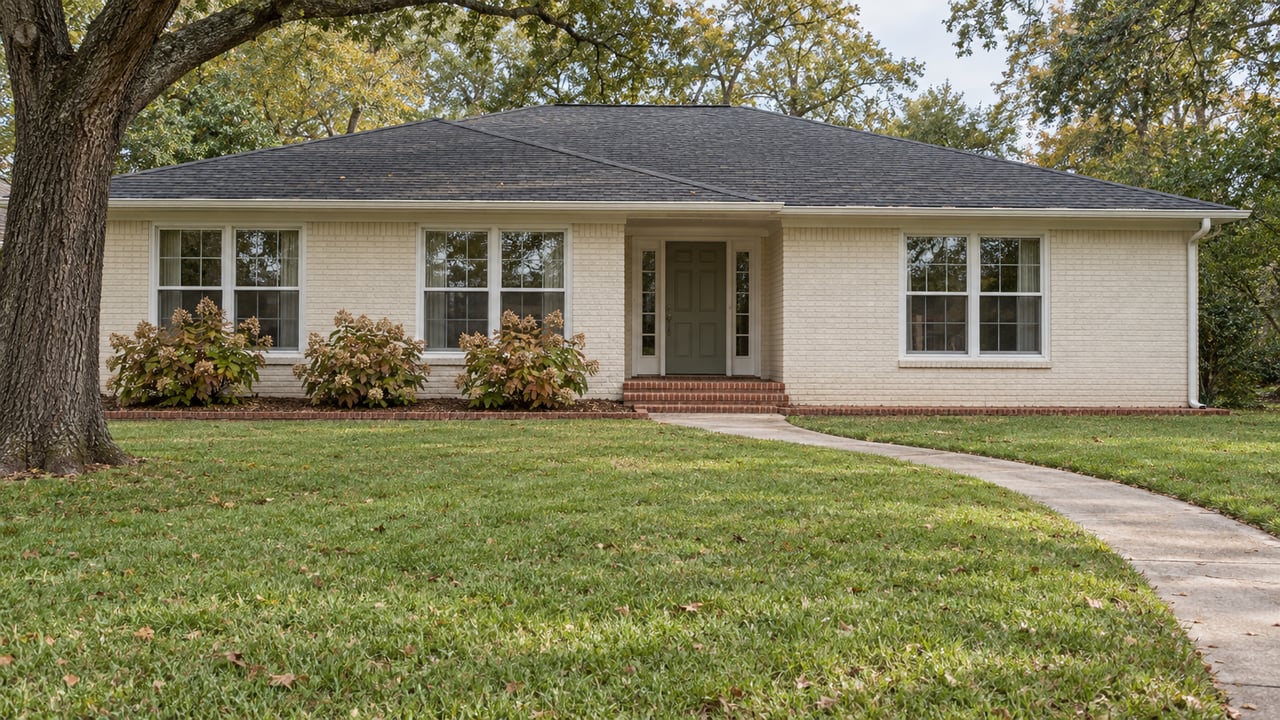
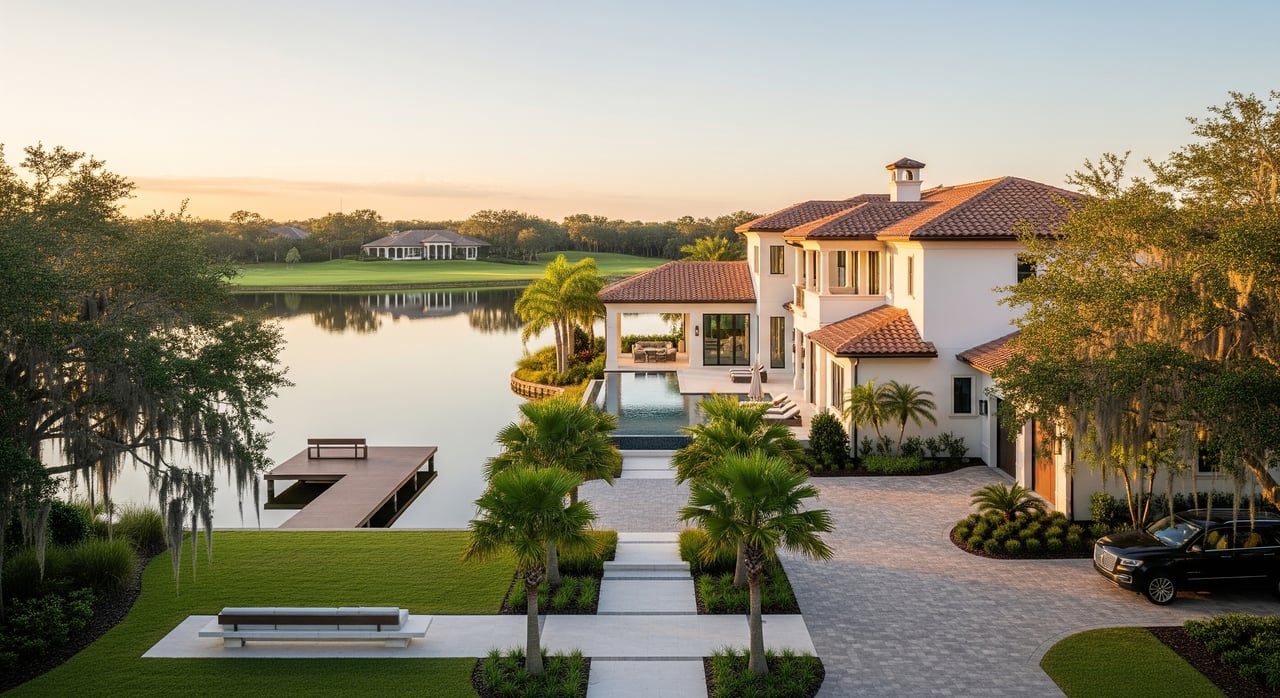
North Tallahassee neighborhoods typically feature a range of home styles. You will see mid‑century ranches, split‑levels, and two‑story suburban homes from the 1960s through the 1990s, plus newer subdivision builds from the 2000s to today. Lot sizes can vary, with smaller suburban parcels and larger estate‑style lots in select communities.
Florida homes benefit from careful due diligence. You should verify the age and service history of HVAC systems, roof age and materials, and any hurricane‑related mitigation like shutters or impact glass. Confirm FEMA flood zone status and whether flood insurance is recommended or required. Termites and other wood‑destroying organisms are a known regional risk, so a WDO inspection and a treatment history check are common.
Some properties connect to municipal sewer and water, while others may use septic and wells depending on location and jurisdiction. Check irrigation systems and driveway conditions, and confirm which utilities serve the address.
Market conditions can vary by micro‑area and proximity to club communities or new subdivisions. Review recent comparable sales with your agent using MLS and county records. If there is an HOA, request Covenants, Conditions and Restrictions to understand rental rules, exterior changes, landscaping standards, parking, and any pending or recent assessments.
Property taxes and millage rates are available from the Leon County Property Appraiser, and Florida’s homestead exemption may reduce your property tax burden if the home will be your primary residence. Insurance costs for homeowners, wind or hurricane, and flood coverage can materially affect your monthly budget, so it is smart to get quotes early in the process.
Inspections to budget for
- General home inspection covering structure, roof, HVAC, plumbing, and electrical
- Termite and wood‑destroying organism inspection
- Roof certification when roof age is near lender thresholds
- Flood elevation certificate and flood zone verification if applicable
- Pool inspection, septic inspection, and mold or indoor air quality testing when relevant
Daily life and errands
Because most of North Tallahassee is car‑oriented, plan to drive for groceries, pharmacy runs, fitness, and most errands. Some corridors are bike‑friendly, but many residential areas lack continuous sidewalks. If walkability matters to you, review the specific address and do a few trial trips to your most important stops.
Trash, recycling, and yard‑waste schedules differ between the City and the County. Confirm service providers, pickup days, and bulk collection rules during your inspection period. If your home falls within an HOA, also review any neighborhood rules that affect parking, exterior storage, or landscaping.
Your first 90 days: a step‑by‑step plan
A clear plan makes your move simpler. Use this phased checklist to stay organized and settle in confidently.
Before move‑in (0–2 weeks before closing)
- Confirm jurisdiction and utility providers for your Summerbrooke address.
- Schedule transfer or start dates for electric, water, sewer, trash, and internet or cable.
- File your change of address with USPS and notify banks, employers, and subscriptions.
- Start school enrollment research if needed, including boundary lookup and required documents.
- Obtain homeowners or renters insurance effective on the closing date.
Move week (closing to two weeks)
- Collect keys, gate or garage codes, and digital access details. Keep HOA and CCR documents handy.
- Verify meter reads and service start dates. Set thermostats and test HVAC, hot water, and major appliances.
- Introduce yourself to the HOA manager or a neighborhood contact if applicable.
- Confirm trash and recycling pickup day, and learn bulk pickup rules.
- Schedule local services such as lawn care, pest control, and internet setup for remote work.
First 30 days
- Register vehicles and obtain your Florida driver’s license within the required timeframe.
- Register to vote with the county Supervisor of Elections.
- Select primary medical and dental providers, transfer prescriptions, and note the nearest urgent care and hospital.
- Meet neighbors, and attend an HOA or neighborhood meeting to learn norms and resources.
- If you have children, finalize school enrollment, meet administrators, and explore parent organizations.
Days 30–90
- Review local taxes and apply for homestead exemption if you are eligible, according to county timelines.
- If you plan renovations, check permitting requirements early with the appropriate city or county office.
- Drive your commute routes during peak hours a few more times to lock in your best path and timing.
- Explore recreation options: evaluate club memberships, city league sports, parks, and library resources.
- Set up a routine maintenance plan for HVAC service, irrigation checks, roof and gutters, and termite treatments.
Keep these records handy
- Closing statement, deed, plat, HOA CCRs, and financials
- Home inspection and WDO reports
- Roof, HVAC, and appliance warranties
- Insurance policies and agent contacts
- Utility account numbers and service start confirmations
Smart buyer questions to ask
- How long will my commute be to downtown, FSU, or the hospital? Do test drives at your actual commute times and compare routes.
- Which clubs are nearby and what do they cost? Ask for current initiation fees, dues, access types, and a sample social calendar.
- What are the HOA rules and any recent assessments? Request the latest CCRs and meeting minutes.
- What are typical insurance costs for homes like this? Get address‑specific quotes for homeowners, wind or hurricane, and flood policies.
- What about flood and storm risk? Verify FEMA flood zone status and consider an elevation certificate where applicable.
- Which schools serve this address? Confirm attendance zones with the district and review state report cards for performance data.
How The Tagoe Team helps
You deserve a move plan grounded in local facts, not guesswork. With a boutique, hands‑on approach and the reach of a national brokerage, we help you confirm jurisdiction and utilities, pressure‑test commute options, review MLS comps, request and interpret HOA documents, and coordinate inspections tailored to Florida homes. We also point you to the right local resources for club membership details, school enrollment, traffic and flood data, and insurance quotes so you can make confident decisions.
When you are ready to explore homes in and around Summerbrooke, connect with us for responsive guidance and a clear path from search to keys. Work with The Tagoe Team to get started.
FAQs
How should I evaluate a Summerbrooke commute if I am out of town?
- Do at least two live test drives during peak hours when you visit, compare multiple routes with navigation apps, and consider parking permit needs at your destination.
What should I ask local golf or country clubs near North Tallahassee?
- Request initiation and dues schedules, food and beverage minimums, guest and cart fees, access tiers, and a sample social calendar to gauge fit and value.
How can I confirm school assignments for a Summerbrooke address?
- Use the district’s boundary lookup for the exact address and review state school report cards for performance data before enrollment.
What inspections are most important for Florida homes around North Tallahassee?
- Prioritize a general home inspection, WDO inspection, roof certification if needed, flood zone verification or elevation certificate, and pool or septic inspections when applicable.
How do I verify utilities and internet service for a specific property?
- Confirm providers by address with the City or County and major ISPs, then schedule start dates before closing to avoid service gaps.
What HOA documents should I review before buying in Summerbrooke?
- Ask for the latest CCRs, rules and regulations, architectural guidelines, budget and financials, and recent meeting minutes to spot restrictions or assessments.