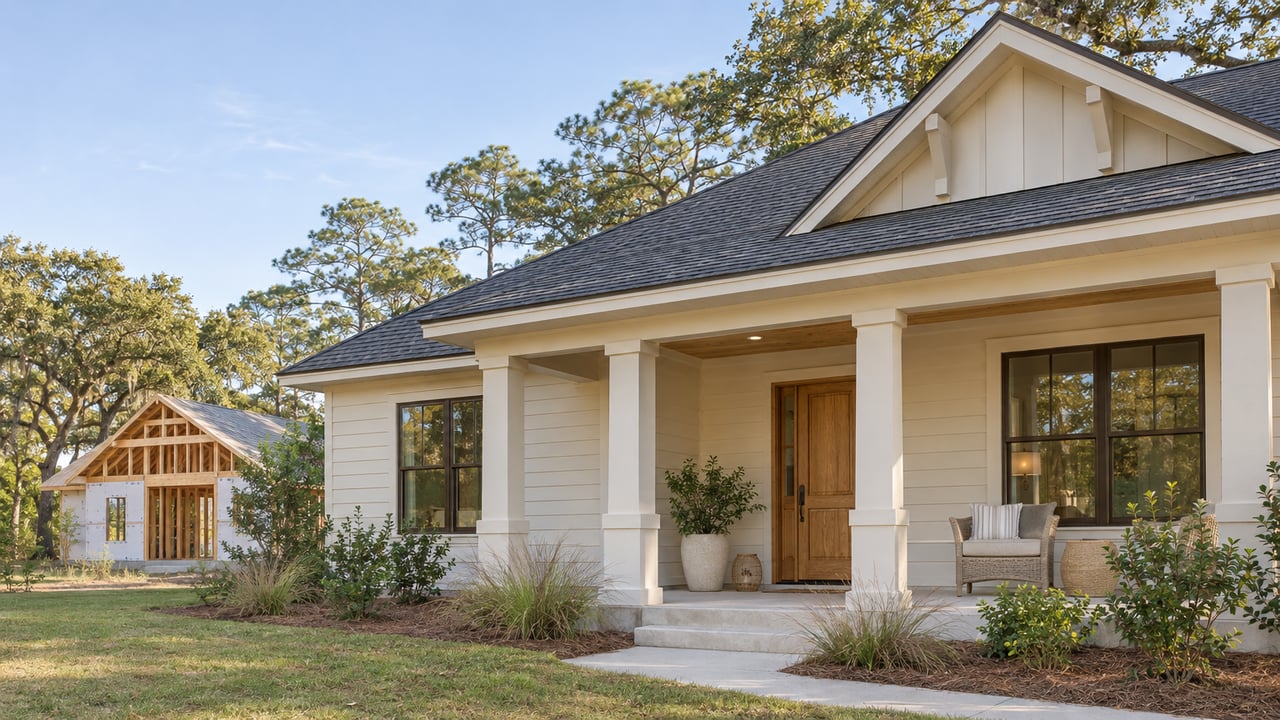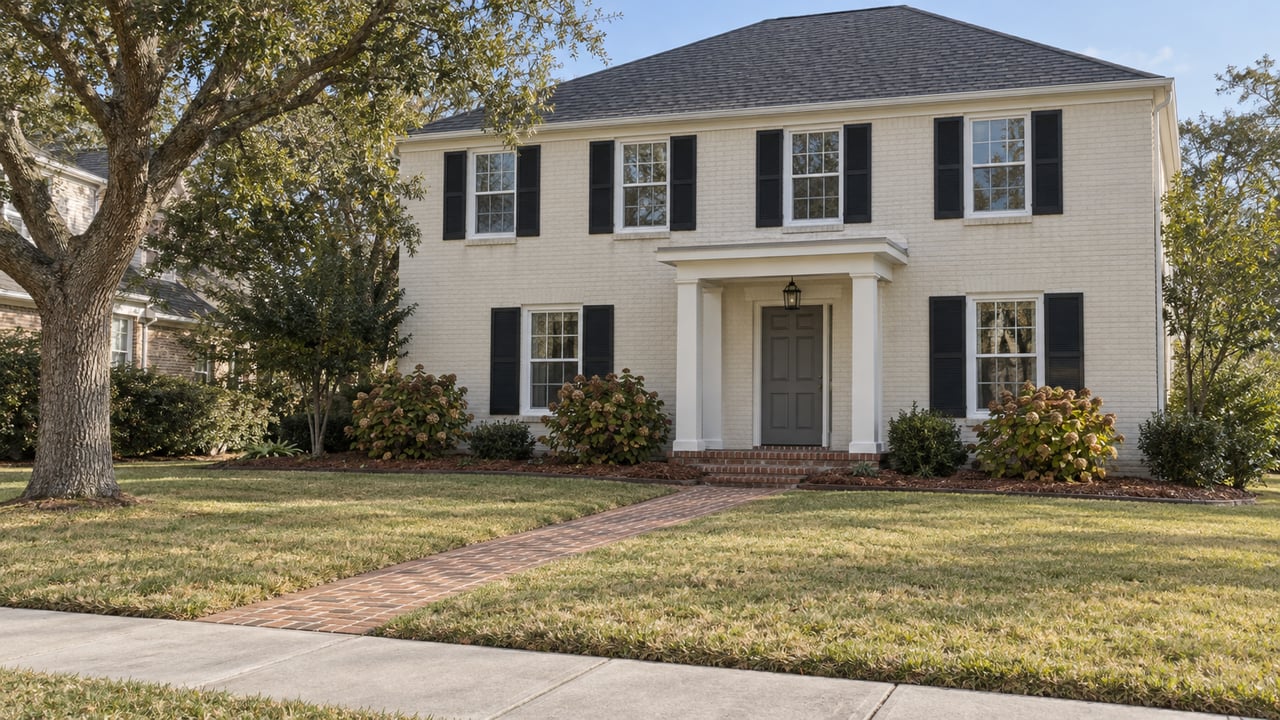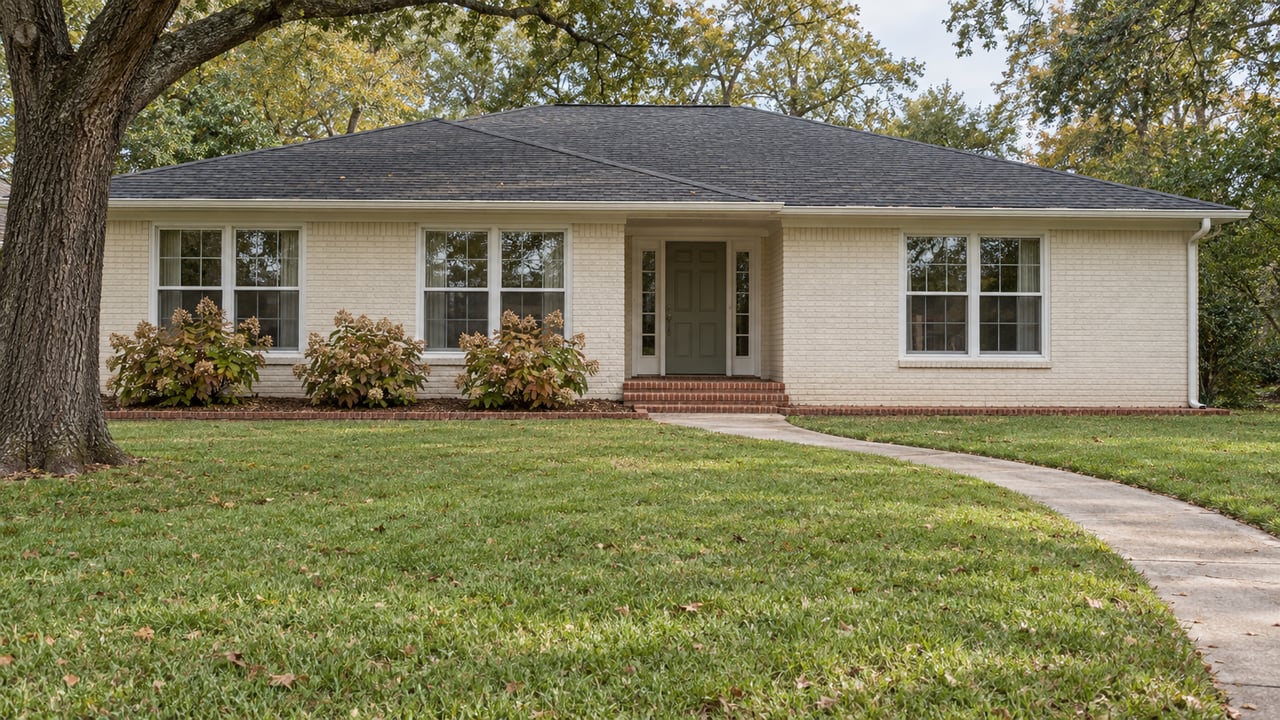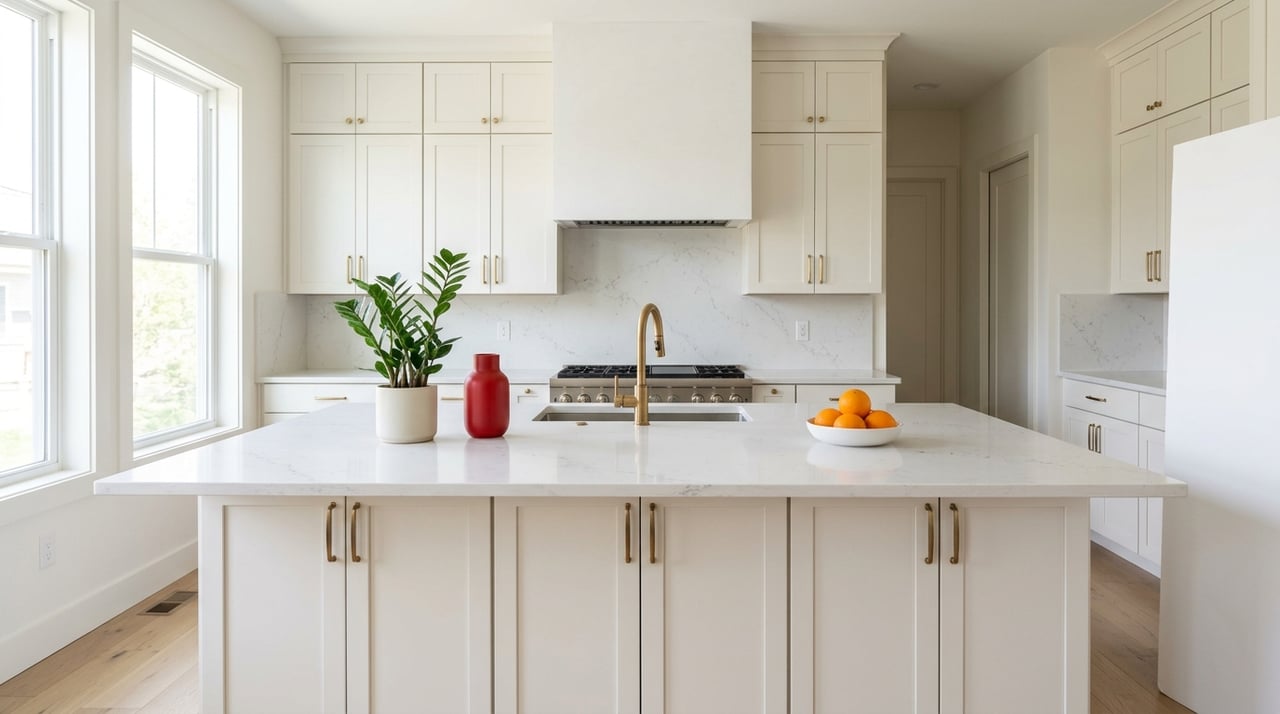
Wondering what it really takes to sell a home in Tallahassee right now? If you are thinking about making a move, you are probably weighing timing, price, repairs, and how long the process might take. The good news is that when you understand the local market and plan each step carefully, you can move from decision to closing with more confidence. Let’s walk through what selling a home in Tallahassee looks like today.
Tallahassee Market Conditions
If you are selling in Tallahassee or Leon County in spring 2026, you are not stepping into a frenzied seller’s market. Current data points to a more balanced market, which means buyers have options and tend to compare homes closely before making an offer.
Leon County market data from April 2026 shows about 1,600 homes for sale, a median listing price of $329,500, a median sold price of $311,000, a median 47 days on market, and a 99% sale-to-list ratio. Redfin’s April 2026 Tallahassee city data shows a median sale price of $293,349, 541 homes sold, and a median 64 days on market, with homes going pending in about 60.5 days and averaging about 2% below list.
A local WFSU report using Tallahassee Board of Realtors data through February 2026 also described the area as more balanced, with a median sale price of $346,000 for single-family homes in the Tallahassee MSA and 3.4 months of supply. While these sources use different boundaries and measurements, they point to the same takeaway: pricing and presentation matter.
Start With Your Selling Plan
Before you list, it helps to define your goals clearly. Are you trying to maximize price, close quickly, line up a move to your next home, or reduce the stress of juggling repairs and showings? Your answers shape everything from list price to timing to negotiation strategy.
In a balanced market, your plan should focus on net proceeds instead of headline price alone. A higher offer does not always mean more money in your pocket if it comes with bigger concessions, more risk, or a delayed closing.
Understand Net Proceeds Early
One of the most important steps in selling is knowing what you are likely to walk away with at closing. In Florida, documentary stamp tax is due on deeds at 70 cents per $100 of consideration in every county except Miami-Dade, and it is due when the deed is recorded.
The Florida Department of Revenue also notes that all parties to the document are liable, regardless of who agrees by contract to pay it. Your net proceeds can also be affected by your mortgage payoff, buyer credits, and any seller concessions you agree to during negotiations.
Prepare Required Disclosures
Getting your paperwork and disclosures in order early can help avoid delays later. In Florida, known latent defects must still be disclosed even if you are selling the property as is.
Florida law also requires a flood disclosure at or before contract execution. In addition, sellers must disclose known sanitary sewer lateral defects before contract and provide the property tax disclosure summary warning buyers that property taxes may change after a sale.
Think About Homestead Issues
If your Tallahassee home has a homestead exemption, do not assume that benefit simply follows you to your next property. According to the Leon County Property Appraiser, exemptions do not transfer automatically when you move.
If you are buying another Florida homestead, portability may allow you to transfer accumulated Save Our Homes savings, but the new claim must be filed within three years of abandoning the old homestead. The Leon County Property Appraiser also notes that a new homestead application should be filed by March 1.
Get Your Home Ready to List
In this market, buyers respond best to homes that feel clean, cared for, and easy to picture themselves in. That does not mean every seller needs a full remodel. It does mean the basics count.
The 2025 Profile of Home Staging found that the most common seller prep recommendations were decluttering the home, cleaning the entire home, and improving curb appeal. Those are practical, evidence-backed steps that can improve buyer response without overcomplicating the process.
Focus on High-Impact Prep
If you want to spend your time and money wisely, start with the items most likely to affect first impressions:
- Declutter rooms and surfaces
- Deep clean the entire home
- Improve curb appeal
- Address obvious repair issues
- Use professional-quality photos and video
According to the staging report, buyers’ agents said staging helps buyers visualize the property as a future home. The rooms most often prioritized were the living room, primary bedroom, and kitchen.
Why Presentation Matters in Tallahassee
Because current local market times range from about 47 days in Leon County to about 60 to 64 days in the city, presentation can affect your leverage. A home that looks move-in ready and photographs well is better positioned to hold buyer attention than a home that feels tired while aiming for a top-of-market price.
That is especially important in a market where buyers have time to compare choices. If your home is priced aggressively, weak presentation can lead to slower activity and more pressure to negotiate.
Price for the Market You Are In
Pricing is one of the biggest decisions you will make, and it should match today’s market rather than last year’s headlines. In a balanced market, overpricing can reduce early momentum and make it harder to attract strong offers.
The current data suggests buyers in Tallahassee and Leon County are not rushing into every listing. With sale-to-list ratios near 99% countywide and city sales averaging around 2% below list, pricing accurately from the start gives you a better chance of staying competitive.
List and Market Strategically
Once your home is ready, your listing needs to do more than simply appear online. Strong presentation, clear photography, and a polished listing can help your property stand out when buyers are scrolling through multiple options.
This is where local expertise matters. A well-marketed listing should reflect current buyer expectations in Tallahassee, highlight the home’s strongest features, and support the asking price with a presentation that feels professional from the first click to the first showing.
Showings and Early Feedback
The first days and weeks on the market can tell you a lot. If showings are steady but offers are weak, buyers may like the home but hesitate on price or condition. If showings are slow, the issue may be pricing, presentation, or both.
In a balanced market, it is smart to pay attention to feedback quickly. Small adjustments early can be easier and more effective than waiting until the listing starts to feel stale.
Review Offers Carefully
When offers come in, it helps to remember that the highest number is not always the best choice. Florida Realtors notes that a seller is not required to accept any offer, and price is only one part of the decision.
You should also weigh the proposed closing date, contingencies, and the buyer’s overall flexibility. A cleaner offer with fewer hurdles can sometimes put you in a better position than a higher offer with more risk attached.
Know the Inspection Period Risk
In the standard Florida Realtors and Florida Bar AS IS contract, the buyer has a strong right to cancel during the inspection period. That makes the days right after acceptance especially important.
This is often when repair requests, credits, or renegotiation come into play. It is also important to know that the core contract does not include an appraisal contingency unless one is added by rider.
What Happens After You Go Under Contract
Once you accept an offer, the sale moves into a new phase with several moving parts. In a financed transaction, that usually includes inspections, title review, appraisal, underwriting, and final loan approval.
Florida Realtors’ March 2026 market report notes that closed sales can occur 30 to 90 or more days after contracts are written. So even after you are under contract, there is still a meaningful stretch between acceptance and closing day.
Watch the Timeline Closely
Many sellers want to know how long the full process takes. Recent Tallahassee-area data ranges from about 47 days on market countywide to about 60 to 64 days in the city, with local board reporting closer to 83 days from listing to closing.
These are not identical measurements, but together they show that selling usually takes more than a few weeks. Building a realistic timeline can help you coordinate your move, your next purchase, and any overlap in housing costs.
Closing Day and Recording
In a financed sale, the lender must provide the Closing Disclosure at least three business days before mortgage closing. That step helps signal that the transaction is entering the final stretch.
Ownership transfer is tied to recording. When the deed is recorded with the Leon County Clerk of the Circuit Court, that recording establishes ownership.
The Leon County Property Appraiser says it receives daily notification from the official records system, and ownership changes usually appear in its records within about two to four weeks. If you are checking county records after closing, that timing can be helpful to know.
What Can Slow a Sale
Some delays are outside your control, but a few common issues tend to slow sellers down. Overpricing, weak presentation, and repair issues can all lengthen time on market.
The strongest evidence-backed ways to improve buyer response are also some of the simplest: decluttering, cleaning, improving curb appeal, and presenting the home well. In today’s Tallahassee market, that kind of preparation can make a real difference.
Sell With a Clear Local Strategy
Selling a home in Tallahassee is not just about putting a sign in the yard and waiting. It is about understanding the local pace of the market, pricing with today’s conditions in mind, preparing the home thoughtfully, and managing each step from disclosure to negotiation to closing.
If you want a smoother sale and a plan built around your goals, working with a local team that understands Tallahassee’s neighborhoods, market timing, and buyer expectations can help you move forward with confidence. When you are ready to talk through your next move, connect with The Tagoe Team.
FAQs
How long does it take to sell a home in Tallahassee?
- Recent data suggests sellers should plan for more than a few weeks, with market times ranging from about 47 days in Leon County to about 60 to 64 days in the city, and local board reporting closer to 83 days from listing to closing.
What disclosures are required when selling a home in Florida?
- Florida sources highlight disclosure of known latent defects, required flood disclosure at or before contract execution, known sanitary sewer lateral defects before contract, and the property tax disclosure summary.
Does selling a Tallahassee homestead affect portability?
- Yes. The Leon County Property Appraiser says exemptions do not transfer automatically, and portability may be available if you file a new homestead claim within three years of abandoning the old one.
What improvements matter most before listing a Tallahassee home?
- The most evidence-backed prep steps are decluttering, deep cleaning, improving curb appeal, addressing obvious defects, and making sure the home is presented with strong photos and marketing.
Can a seller reject an offer on a Tallahassee home?
- Yes. Florida Realtors says a seller is not required to accept any offer, and you can compare price, contingencies, timing, and flexibility before deciding.
What happens after a Tallahassee home goes under contract?
- In a financed sale, the under-contract period typically includes inspections, title review, appraisal, underwriting, and final sign-off before closing and deed recording.