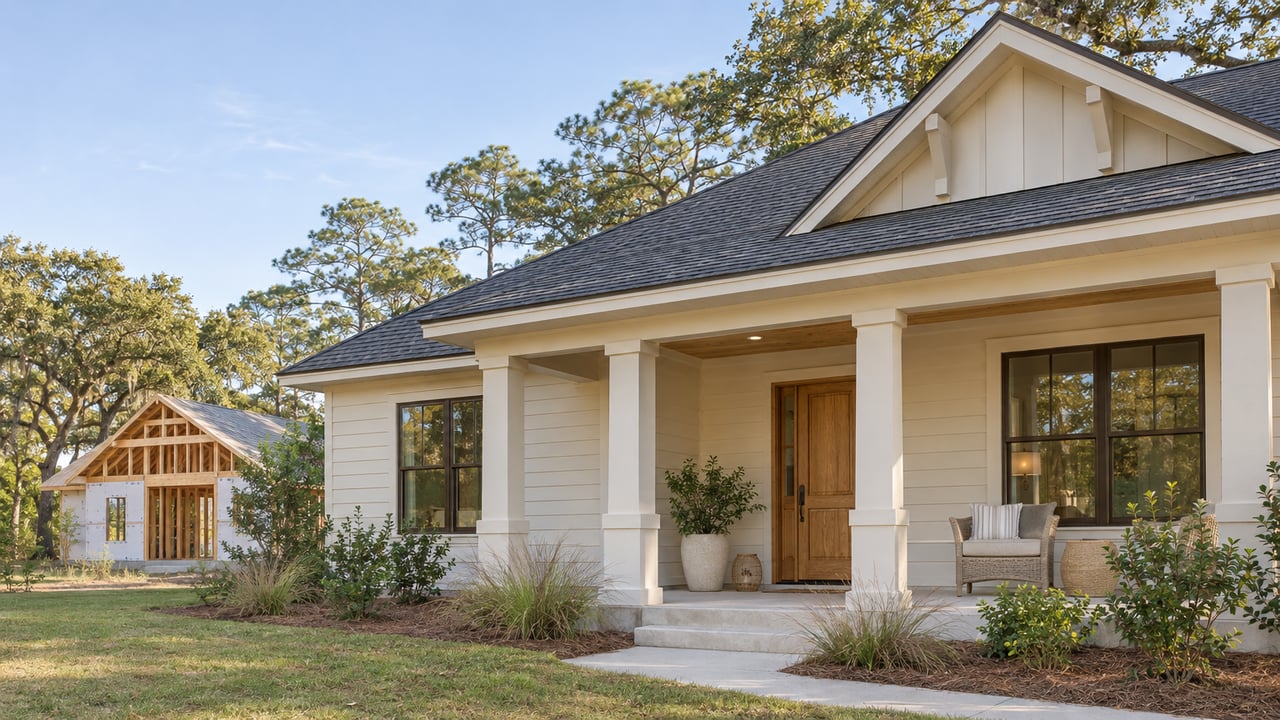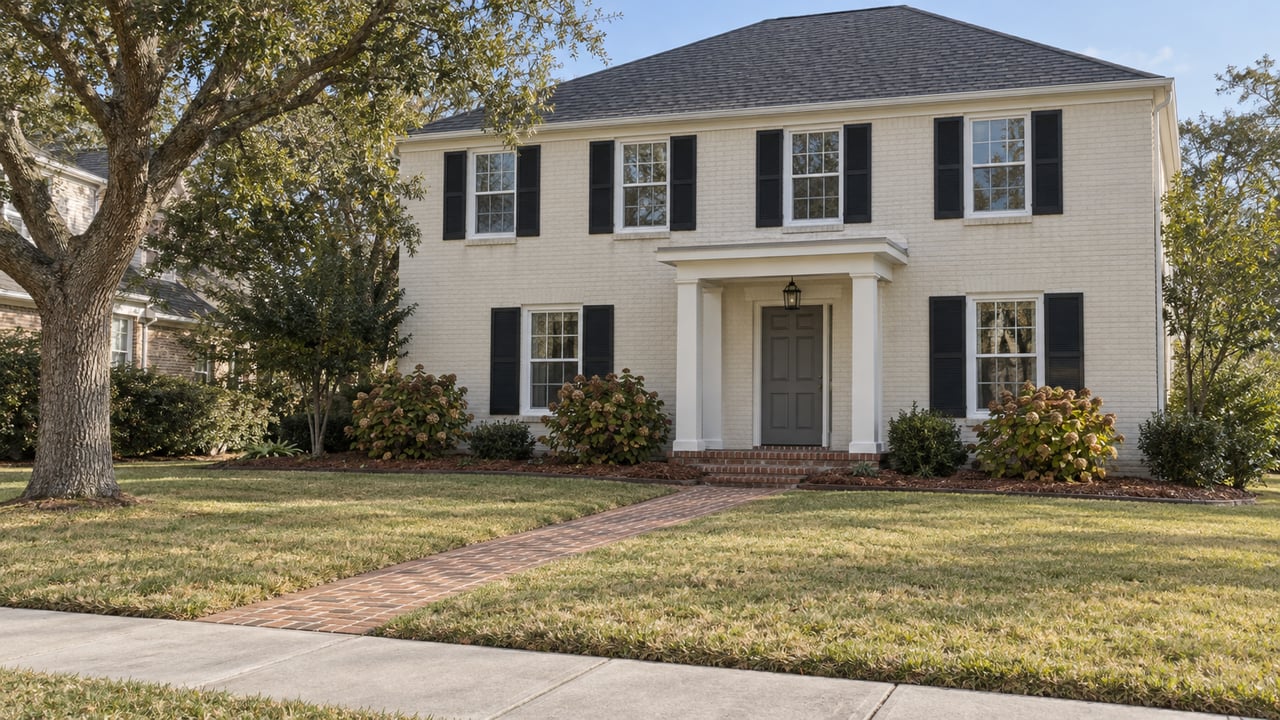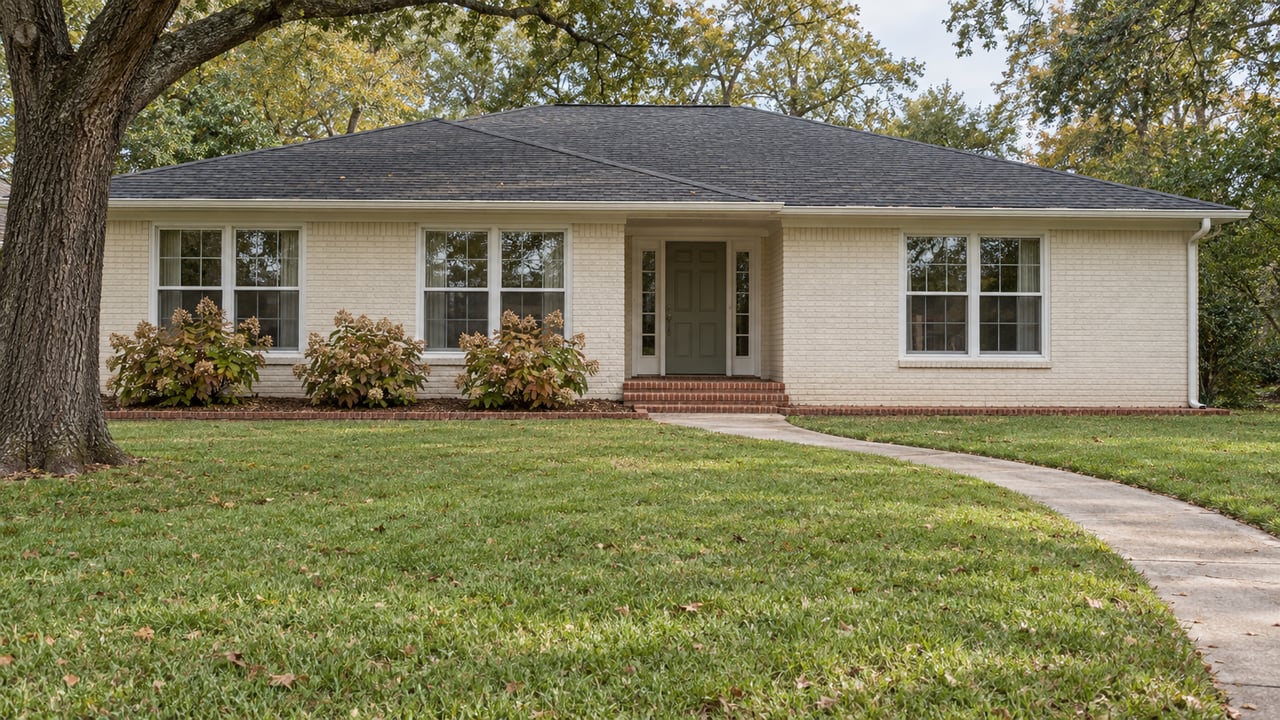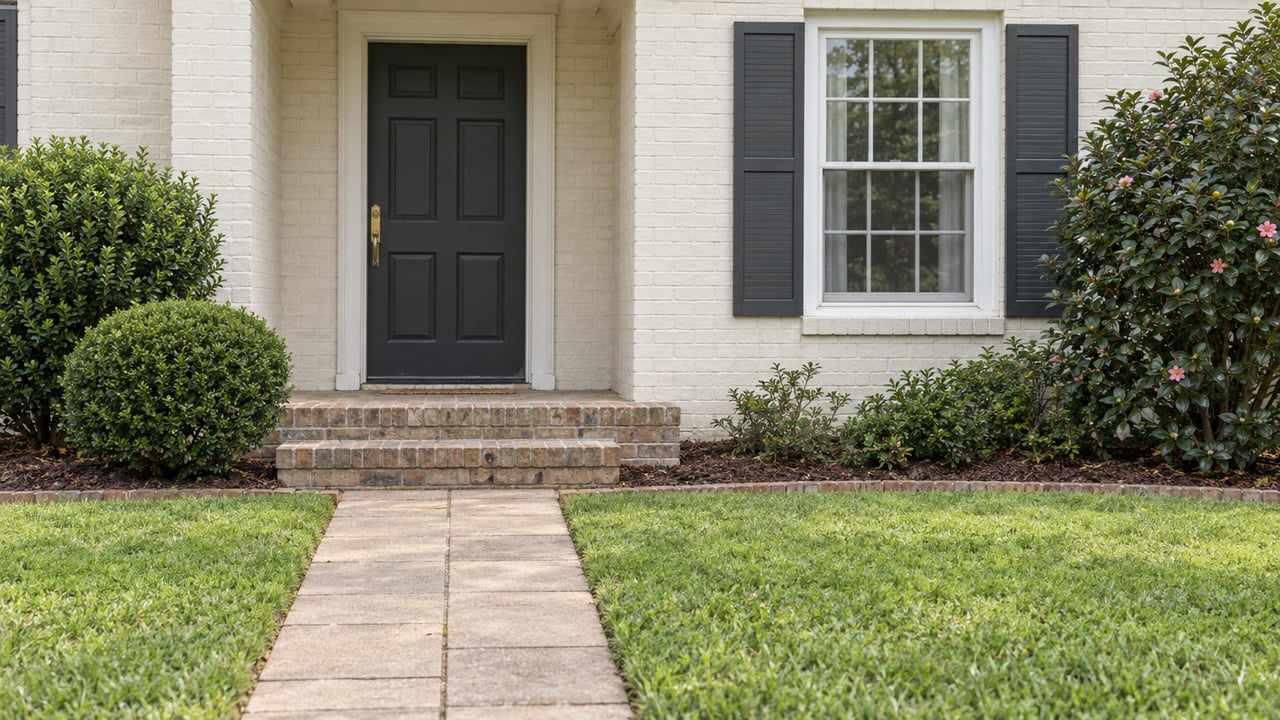
Two of the three homes that closed in Southwood this year are described here. One, a new build on Four Oaks Boulevard, sold in April 2026 for $619,000 at zero days on market. The other, a 2007-built home on Lantana Lane, took 93 days to sell in September 2026 and closed 4 percent under list. Different vintages, different waiting periods, different price per square foot. The two properties sit on different sections of Southwood's fee structure, which includes charges beyond the $780 annual HOA assessment.
That number is real. The SouthWood Residential Community Association sets the 2026 master assessment at $780 a year, billed at $195 a quarter, and it funds the amenities most people associate with the neighborhood: the Community Center, the pool, tennis courts, and the HOA's Art of Living Program. It is also the smallest and most predictable of at least three separate charges a Southwood owner can carry, and the other two do not show up on the same statement.
Three Bills, Not One
Southwood was built out over more than two decades, starting from a 1999 city-approved plan on former St. Joe Paper Company land. A development that large and that long-running does not bill its residents through a single association. It bills through three overlapping structures, and each one answers to a different authority.
| Layer | Who levies it | Where it appears |
|---|---|---|
| Master HOA assessment | SouthWood Residential Community Association | HOA statement, $780/year for 2026 |
| Benefited-neighborhood assessment | SRCA, section-specific | HOA statement, only for certain sections |
| CDD non-ad-valorem assessment | Capital Region Community Development District | County property tax bill |
The first layer is the one every buyer hears about. The second applies only if the specific lot sits inside one of the sections the association classifies as a benefited neighborhood, which currently includes Magnolia Park, Maple Ridge, The Bluffs, Oak Park, Towncenter, and Avon Park. Those sections carry an additional assessment on top of the master fee, tied to services or reserve funds specific to that section. A buyer looking at a listing in Maple Ridge and a buyer looking at a listing in a section outside that list are not comparing the same annual HOA cost, even if the master due quoted to both is identical.
The third layer operates separately from the association.
The Bill That Lives on the Tax Roll
Southwood sits inside the Capital Region Community Development District, a special-purpose local government created under Florida's Chapter 190 to finance and maintain the infrastructure a project this size requires: roads, stormwater systems, open space, and the recreational areas the CDD still owns and maintains today, with the notable exceptions of the pool and golf course. The CDD's own site lists a five-member Board of Supervisors and notes that while the district built many of Southwood's roads, most are now owned and maintained by the City of Tallahassee.
What the CDD still charges for shows up as a non-ad-valorem assessment on the county property tax bill, and it typically has two components. One is an operations-and-maintenance charge that funds the CDD's ongoing upkeep of alleyways, stormwater facilities, and shared open space, an amount that can move up or down each year with the adopted budget. The other, where it applies, is a capital or debt-service assessment tied to bonds the district issued to pay for the original infrastructure build. That second piece is generally fixed for the life of the bond, which in Florida CDDs typically runs somewhere in the range of 20 to 30 years, according to the CFM CDD; it can be paid off early by the property owner if they choose to retire it in full.
Because Southwood's FY2026 adopted CDD budget sets operations-and-maintenance assessments that vary by residential property classification, and because debt-service assessments apply only to certain parcels, there is no single dollar figure that applies to every Southwood address. A buyer has to ask about the specific parcel.
This is also where the Miami-Dade County Property Appraiser's office, describing how CDDs work generally under Florida law, makes a point worth carrying into any Southwood offer: once a CDD is established, the developer must disclose it to the initial buyer, but subsequent sellers are not required to disclose it to the next buyer down the line. It is still worth asking about the CDD even if the home has already changed hands once or twice.
Why Two Homes at the Same Price Can Cost Different Amounts to Own
Southwood was not built in one phase. The three 2026 closings alone span an 18-year construction window, from a 2007-built home on Lantana Lane to a 2012-built home on Dickinson Drive to a brand new 2025-built home on Four Oaks Boulevard. CDDs generally issue infrastructure bonds section by section as new phases are platted and built, which means a district this size does not carry one bond schedule. It carries several, layered by when each section went up.
A home built in an earlier section may sit on bonds that are further along toward retirement, or already paid off, which lowers or eliminates the debt-service piece of its CDD bill. A home built in a newer section is more likely to be carrying a fuller remaining bond balance. None of this shows up in the sale price or the square footage. It shows up only when someone pulls the CDD assessment for that specific parcel and checks where it sits on the amortization schedule.
That is the gap between the number on a listing sheet and the number a buyer will actually pay every year. The sale price on Four Oaks Boulevard, on Dickinson Drive, and on Lantana Lane each describe what a buyer paid for the house. None of them describe what that buyer will owe afterward, because that number depends on which section the lot sits in and how far along its bonds are, not on what the house sold for.
What the Broader Market Is Doing Right Now
The spread between those three 2026 closings is itself a useful read on pace. The new build on Four Oaks Boulevard sold the day it hit the market. The 2007-built home on Lantana Lane took 93 days and closed under list. That range, inside one neighborhood in one year, says more about current conditions than any single average would. For context, Tallahassee overall averaged 58 days on market and a median sale price of $300,000 over the three months ending June 2026, up 10.6 percent year over year. Southwood's own closings this year have run above that citywide median, which is part of why the fee structure underneath the price matters more here than in a subdivision without a CDD.
What to Ask Before Writing an Offer
- Which residential section and, if applicable, which benefited neighborhood the specific lot falls in, since that determines whether an extra SRCA assessment applies
- The current CDD non-ad-valorem assessment for that parcel, broken into its operations-and-maintenance and debt-service components
- Whether any CDD bond balance remains on the parcel, and if so, the outstanding amount and remaining term
- The most recent property tax bill or TRIM notice, which will list the non-ad-valorem CDD line separately from the ad valorem tax
Southwood's own HOA maintains a governing documents library through the SouthWood Residential Community Association, and the Capital Region Community Development District publishes its budget and meeting information directly. Both are worth requesting before an offer goes in, not after.
Frequently Asked Questions
Does the HOA assessment include golf membership? No. SouthWood Golf Club operates as a separate private business. Homeownership in Southwood does not include golf membership, club fees, or guaranteed access, regardless of which section the home sits in.
Is the $780 master assessment the same for every Southwood address? The master figure is uniform for 2026, but it is not the full picture. Homes in a benefited neighborhood such as Maple Ridge or Magnolia Park carry an additional section-specific assessment on top of it, and every Southwood parcel also carries a separate CDD non-ad-valorem charge on the county tax bill.
Can a buyer pay off the CDD bond balance to simplify future ownership costs? Where a debt-service assessment still applies, the remaining balance can generally be prepaid in full. Whether that makes financial sense depends on the remaining term and how long the buyer plans to hold the property, which is a calculation worth running against the parcel-specific payoff figure rather than a general estimate.
Southwood's fee structure is not a red flag. It is the ordinary cost of a master-planned community built through a CDD, and it funds real infrastructure and amenities residents use. The only mistake is treating the HOA statement as the whole answer when the tax bill is where the rest of it lives.
If you are comparing Southwood sections and want the CDD and benefited-neighborhood specifics pulled for a particular address before you write an offer, The Tagoe Team can walk through what applies to that parcel and what it means for your total cost of ownership.
This article is general information, not legal, tax or financial advice. Consult a qualified professional about your situation.