A WCTV report quoted Emily Abellera saying, "We know it's super important, especially right now with the economy," as she stood at a vendor table with her husband Richmond at the Southwood Street Market this spring. They'd shown up on a Sunday that used to be routine. This year it wasn't.
For five years, the market at Southwood Town Center ran on a predictable rhythm: second and fourth Sunday, every month, February through December. Then in March 2026, market coordinator Amanda Johnson announced a change. The Southwood Street Market would move to the last Sunday of the month only, cutting its monthly appearances in half.
If you live in Southwood, you've probably already adjusted your calendar, or forgotten to and shown up on the wrong Sunday to find Merchants Row Boulevard quiet. Either way, the schedule change is worth understanding, because it says something about how this neighborhood's public life actually works. The market didn't shrink. It concentrated. And that distinction changes how you should plan around it.
What Changed, and What Didn't
When the Southwood Street Market launched in May 2021, its first real test came a few months later, in September, when more than 40 vendors showed up under the direction of Business Operations Manager Trae Hackett. Five years later, when the newly rescheduled market returned in March 2026, more than 35 vendors turned out. That's not a dramatic drop. It's roughly the same market, doing roughly the same volume, on half as many Sundays.
Here's the shift in plain terms:
| Old Schedule (2021–2025) | Current Schedule (2026) | |
|---|---|---|
| Frequency | Second and fourth Sunday | Last Sunday only |
| Season | February through December | February through December |
| Typical hours | 10:30 a.m. to 1:30 p.m. | 10:30 a.m. to 1:30 p.m. |
| Vendor turnout | ~35 to 41 vendors per date | 35+ vendors per date |
| Location | 3196 Merchants Row Blvd | 3196 Merchants Row Blvd |
The vendor count held. The frequency didn't. Which means the total number of vendor encounters a Southwood resident gets in an average month roughly cut in half, even though nothing about the market itself got smaller.
Why a Sparser Calendar Can Feel Bigger
A market that shows up twice a month starts to feel like background noise. You catch it if you're around, you miss it if you're not, and no single Sunday carries much weight. A market that shows up once a month, on a fixed date, starts to function differently. It becomes something people plan for.
That's the pattern the market's own history supports. Some of its strongest moments were never about scale. They were about specific vendors finding each other. Brascomb's Meats and Darwin and Candace Brascomb set up next to Marie's Jelly early on, and the two built a sausage jelly breakfast sandwich that became a small signature of the market. Amanda Howe launched Macarons by Amanda at that first market in the spring of 2021 and sold out before the morning was over. In 2024, the market partnered directly with El Jalisco, the Mexican restaurant on Merchants Row, for a Cinco de Mayo edition with live performances layered on top of the regular vendor lineup.
None of that required more Sundays. It required the right Sunday, done well. The schedule change reads less like a retreat and more like an admission that the market had already found its real value in the single, well-attended date rather than the frequent, half-attended one.
Building a Last Sunday Around It
If you're planning around the new schedule, here's a sequence that works with the neighborhood's own layout rather than against it:
- Arrive by 10:30 a.m. for produce and baked goods before the morning heat sets in and before the best of the small-batch items sell out, as they did for Macarons by Amanda in 2021.
- Work the vendor rows for pairings rather than single stops. Look for the kind of cross-vendor collaborations that have defined the market since its early days.
- Cross over to Canopy Road Café for a late breakfast. Order options include the Ultimate Breakfast Burrito with chorizo and ranchero sauce, or the 9-ounce flat-iron Steak and Eggs, both served on the café's patio just off Merchants Row.
- If you'd rather sit down for something heartier, El Jalisco Southwood has a large outdoor seating area and a kids' play area, making it an easy landing spot after the market winds down around 1:30 p.m.
- Walk it off on the Central Park Lake Loop, a 2.1-mile paved path that takes most walkers 30 to 40 minutes to complete and circles the community's 123-acre Central Park and Lake.
That's a full Sunday built around one fixed date, which is exactly what the new schedule seems designed to produce.
The Weeks Between Aren't Empty
The market's reduced frequency doesn't leave Southwood's calendar bare on the other Sundays. The neighborhood's Art of Living program runs Food Truck Tuesdays, walking groups, tennis camps and a book club on its own separate rhythm, along with an annual Fishing Derby tied to the community's catch-and-release policy on its stocked lakes. Over at the Southwood Golf Club clubhouse on Grove Park Drive, a monthly Trivia Night draws regulars, and the club has hosted dinner-and-dance nights with bands like Riptide playing Motown, disco and classic rock sets for members and guests.
None of these depend on the Street Market's calendar. They're the connective tissue that fills the weeks the market skips, and residents who lean on them are less likely to feel the schedule change as a gap.
The Park That Never Changes Its Hours
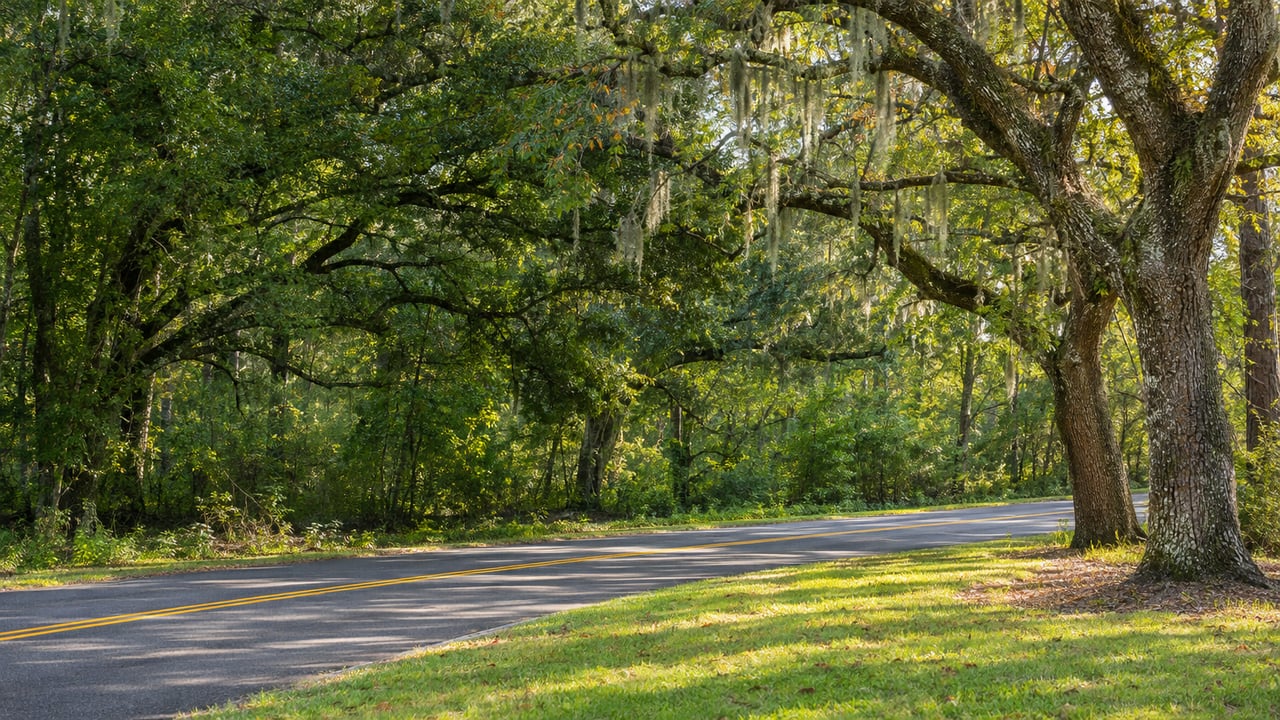
Underneath all of this sits the one part of Southwood's public life that doesn't run on any schedule at all. The 123-acre Central Park and Lake, and the more than 1,000 acres of connected green space around it, are available every day the sun's up. The community's Trail and Nature Guide points walkers toward the eastern bluebirds, southeastern American kestrels, white-tailed deer and gopher tortoises that turn up along the preserve trails threading through the neighborhood's roughly 3,300-acre footprint. Trail reviewers note the lake levels run lower in dry stretches, so the loop reads better in wetter months, but the path itself is there year-round, rain or shine, market Sunday or not.
That constancy is part of what makes the market's new rarity work. Southwood residents aren't relying on one single event to carry the neighborhood's social life. The park, the golf club, and the Art of Living calendar all run in the background, which frees the Street Market up to be the occasional, more deliberate gathering it's apparently trying to become.
The city has recognized Southwood as its Neighborhood of the Year three times, in 2015, 2018 and 2022, which says less about any single amenity and more about how these pieces fit together. A market that used to happen twice a month now happens once, and the neighborhood absorbed the change without losing its rhythm. That's worth noticing, whether you're the one showing up with a folding chair on the last Sunday or just planning your own weekend around it.
Work With Us
Southwood's calendar keeps evolving, and so does its housing market. If you're a homeowner curious about what these community changes might mean for your property's place in the neighborhood, or you know someone weighing a move here, the Tagoe Team follows Southwood closely enough to talk specifics, not generalities. Reach out when you're ready to talk.